
Life Insurance for Business Owners: Why It Belongs in Your Business Plan
Entrepreneurs understand risk. You may have invested your savings, guaranteed a loan and spent years building a business that supports your family and employees.
Your business plan probably covers sales, cash flow and growth. But
does it answer one difficult question: What happens to the business, and the
people who depend on it, if you die?
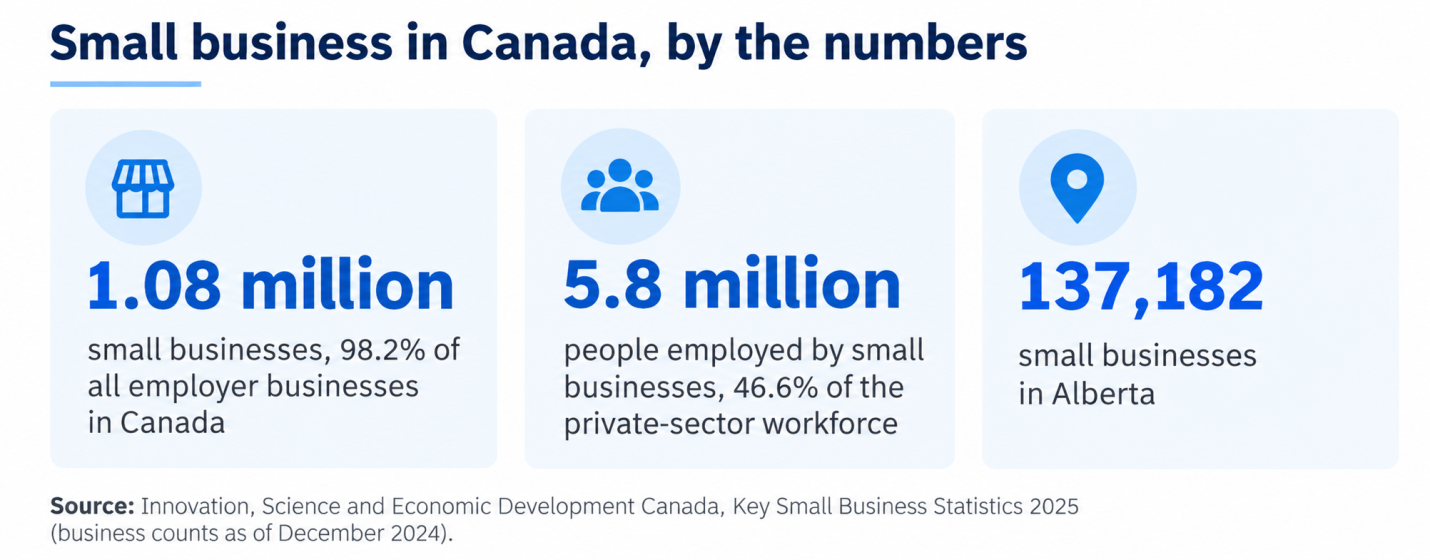
It's a question that matters across the country. Canada has more
than 1 million small businesses employing 5.8 million people, and in many of
them the owner is the most important asset.
Life insurance can provide money when it is needed most. Depending
on how the policy is set up, the benefit can support your family, pay business
debts, protect operations and fund an ownership transition. It also helps keep
your family and your business from financial hardship if you can't be there. In
Canada, the death benefit is paid to beneficiaries as a one-time, tax-free
payment.
Here is why life insurance deserves a place in your business plan.
How Life Insurance Can Protect Your Family
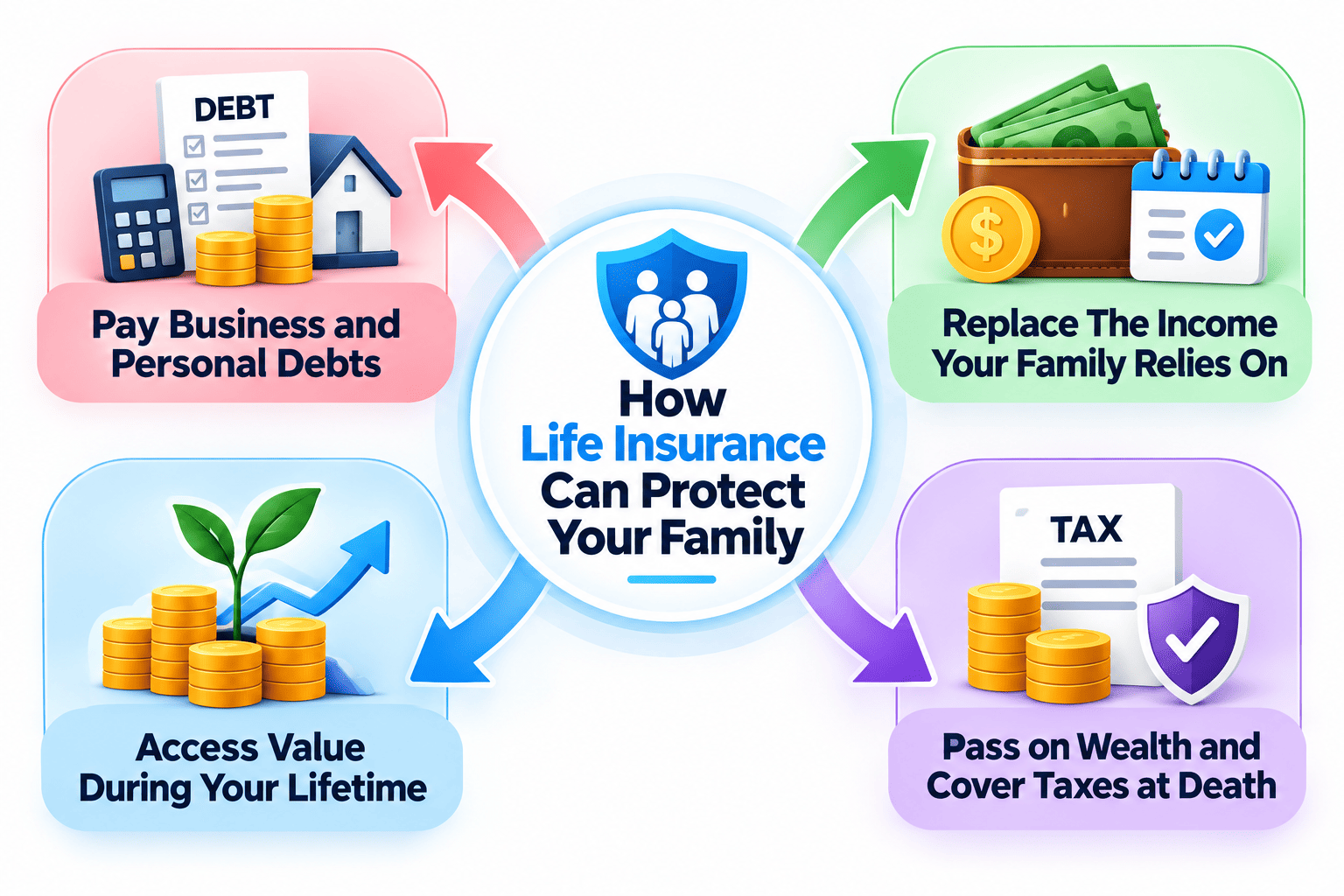
Pay Business and Personal Debts
Building a business often involves borrowing. Loans, lines of
credit, equipment financing and credit cards add up quickly, and lenders often
ask owners to sign a personal guarantee. That means your family could be left
responsible if the business can't repay.
A life insurance benefit can pay down those debts after your death.
That helps protect the estate you intended to leave behind, instead of forcing
your family or business to sell assets quickly. Some lenders also ask for a
policy to be assigned to them as collateral for a business loan.
Replace The Income Your Family Relies On
For many entrepreneurs, the business is the household's main source
of income. If the owner dies, that income may stop immediately, even while the
mortgage, groceries, childcare and tuition bills continue.
Life insurance can replace some of that lost income and give your
family time to decide whether to keep, sell or wind down the company, instead
of accepting the first offer from a buyer.
Canadians rely on this protection. Across the country, 23 million
people own a combined $6 trillion in life insurance coverage, and Alberta
households have the highest average protection at $606,000. For a business
owner, the right amount should also reflect business debts and how much of your
wealth is tied up in the company. A licensed advisor can help you work out a
number that fits.
Access Value During Your Lifetime
Life insurance isn't always limited to a payment after death. Term
life insurance covers you for a set period and doesn't build cash value.
Permanent life insurance, such as whole life or universal life, covers you for
life and usually builds cash value over time.
You may be able to borrow against that cash value or use the policy
as collateral for a loan. For a business owner, that can be a useful source of
cash during a slow stretch or when an opportunity comes up, without selling
other assets.
Keep in mind that loans and withdrawals can reduce the cash value
and death benefit, interest may apply, and some transactions have tax
consequences. Review the policy with an insurance professional and a tax
advisor first.
Pass on Wealth and Cover Taxes at Death
Many entrepreneurs hope to pass on wealth, or the business itself,
to the next generation. Life insurance can support heirs, fund future
opportunities or help balance inheritances between children who join the
business and those who don't.
It can also cover taxes at death. In Canada, you're generally
treated as having sold your capital property, including shares in your
business, at fair market value when you die. Leaving assets to a spouse or
common-law partner can defer that tax, but it doesn't eliminate it. Life
insurance can provide the cash your estate needs, so your family doesn't have
to sell the company just to pay the bill.
How Life Insurance Can Protect Your Business

Strengthen your employee benefits
Employees help create the value in your business. Offering grouplife insurance as part of your group benefits
plan helps protect their families and strengthens your total compensation
package, which makes it easier to attract and keep good people. Group plans
already account for about a third of all life insurance coverage in Canada.
Group life can be paired with health, dental, disability and
critical illness benefits. The cost and coverage depend on the plan design,
your workforce and the insurer, so it's worth comparing options.
Protect against the loss of a key person
What would happen if a co-founder, top salesperson or lead
technician died unexpectedly? A small business may face lost revenue, delayed
projects, recruitment costs and nervous customers or lenders.
Key person insurance is a policy the business owns on someone whose death would cause a
significant financial loss. The business pays the premiums and is the
beneficiary. It can use the payout to recruit and train a replacement, make up
for lost profits or pay down debt while it gets back on track.
In many small businesses, the key person is the owner. If you've
personally guaranteed loans or hold the main client relationships, the business
is especially exposed. Some businesses also add key person disability or
critical illness coverage, since a serious illness can be just as disruptive as
a death.
Fund a smoother ownership transition
If you own a company with other shareholders, consider what would
happen to an owner's shares after death. The surviving owners could find
themselves in business with the deceased owner's family, while the family may
need cash rather than a stake in a private company.
A buy-sell agreement is a contract between owners that sets out what
happens to an owner's shares if they die, become disabled, retire or leave,
including who can buy them and how the price will be set. Life insurance can
fund the purchase, so the surviving owners or the corporation can buy the
shares without draining working capital or taking on new debt.
The policies can be owned by the owners on each other's lives or by
the corporation itself. When a Canadian private corporation owns them, there's
an added benefit. The death benefit, less the policy's adjusted cost basis, is
generally added to the corporation's capital dividend account . The corporation can then buy back the deceased
owner's shares from their estate and pay for them with a tax-free capital
dividend, as long as the proper election is filed.
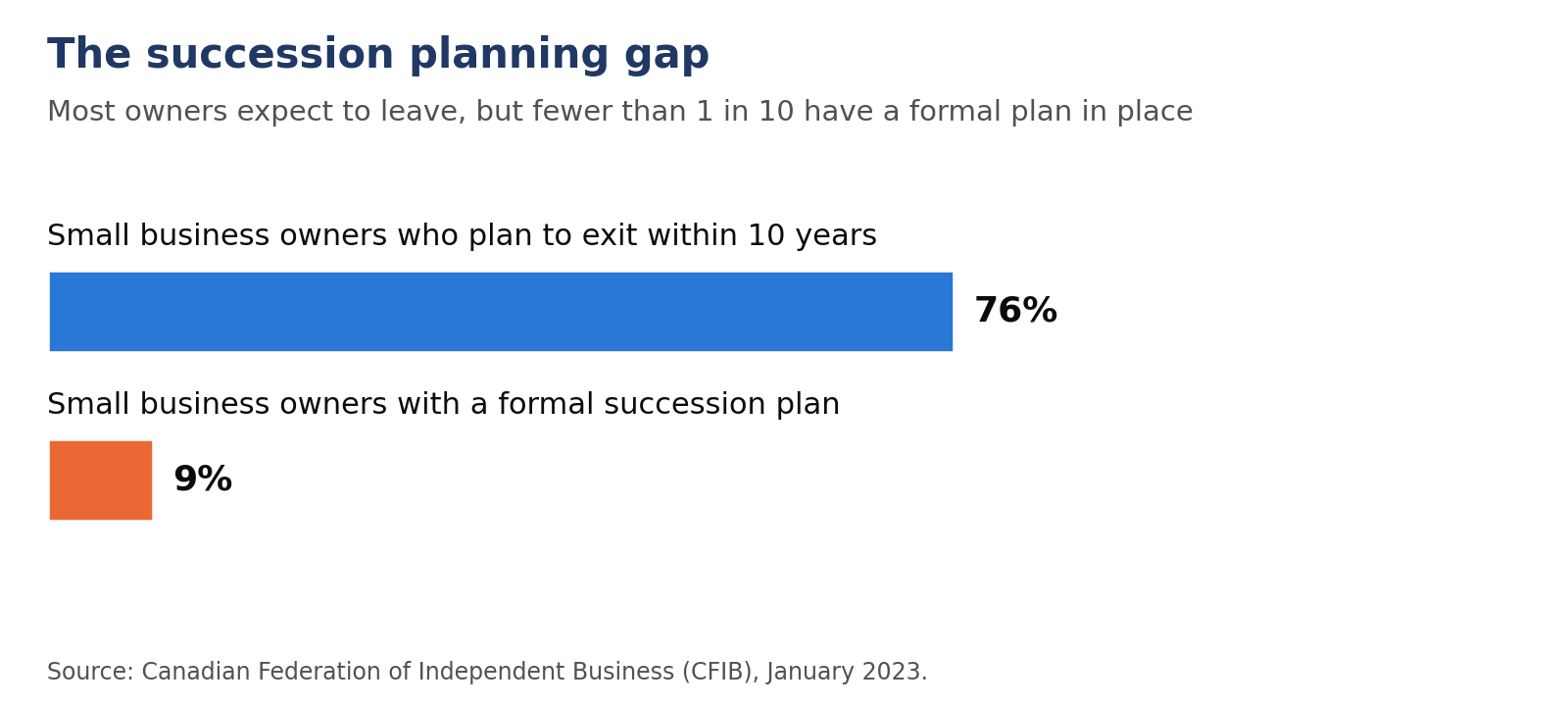
This kind of planning is often missing. Three in four small business
owners (76%) plan to exit their business within a decade, but only 9% have a
formal succession plan. Insurance can't replace a succession plan, but it can
provide the funding that helps the plan work.
Put Protection into Your Plan

You have planned how your company will grow. Planning for how it
will continue without you is just as important.
The right life insurance strategy can help you:
•
Pay off business and personal
debts
•
Replace income for your family
•
Cover taxes and estate needs
•
Protect the company after the
loss of a key person
•
Strengthen your employee
benefits
•
Fund a buy-sell agreement or
succession plan
The right amount and type of coverage depend on your family's needs,
business structure, debts, ownership agreements and long-term goals. Review
your coverage as the company grows, adds partners, borrows money or hires key
employees.
At Wescan Insurance Brokers, we help business owners understand how
life insurance and group benefits fit into a broader protection plan. Contact our
team to talk about your business, your people and the risks you want to
manage.
NOTE: This article is for general information only. It is not legal,
tax or financial advice. Policy terms, eligibility, exclusions and tax
treatment vary. Speak with qualified insurance, legal, accounting and tax
professionals about your situation.
References
1.
Innovation, Science and Economic Development Canada. Key Small Business Statistics 2025.
2.
Business Development Bank of Canada (BDC). What business insurance do you need?
3.
Financial Consumer Agency of Canada. Life insurance.
4.
Sun Life Canada. Are your insurance premiums
tax-deductible?
5.
Canadian Life and Health Insurance Association (CLHIA). Canadian Life and Health Insurance Facts, 2025 Edition.
6.
Canada Revenue Agency. Income Tax Folio S6-F4-C1,
Testamentary Spouse or Common-law Partner Trusts.
7.
Canada Revenue Agency. Income Tax Folio S3-F2-C1, Capital
Dividends.
8.
Canada Life, Tax and Estate Planning Group. Corporate-owned life insurance. September 2021.
9.
Canadian Federation of Independent Business (CFIB). Over $2 trillion in business assets
are at stake as majority of small business owners plan to exit their business over
the next decade. January 10, 2023.